Skip to content
Fort WayneWaterproof
HomeAbout Us
Services
Interior drainageFoundation crack repairWindow well drainsSump pump installation
BlogContact
(260) 297-7955Call (260) 297-7955
Menu
HomeAbout Us

Services

Interior drainageFoundation crack repairWindow well drainsSump pump installationBlogContact

Loading…

Fort WayneWaterproof

Basement waterproofing for Fort Wayne and the Allen County towns around it. Free inspection and a written estimate.

(260) 297-7955

Services

  • Interior drainage
  • Foundation crack repair
  • Window well drains
  • Sump pump installation

Areas

  • Fort Wayne
  • New Haven
  • Huntertown
  • Leo-Cedarville
  • Woodburn

Company

  • About Us
  • Blog
  • Contact
  • What changes the price
  • Questions to ask
  • Privacy
  • Terms

© 2026 Fort Wayne Waterproof

Why Fort Wayne basements take on water after a hard rain

October 14, 2026 · 6 min read

A basement that stays dry for months and then floods in April is not random. Here is what the ground and the house are doing.

Call (260) 297-7955
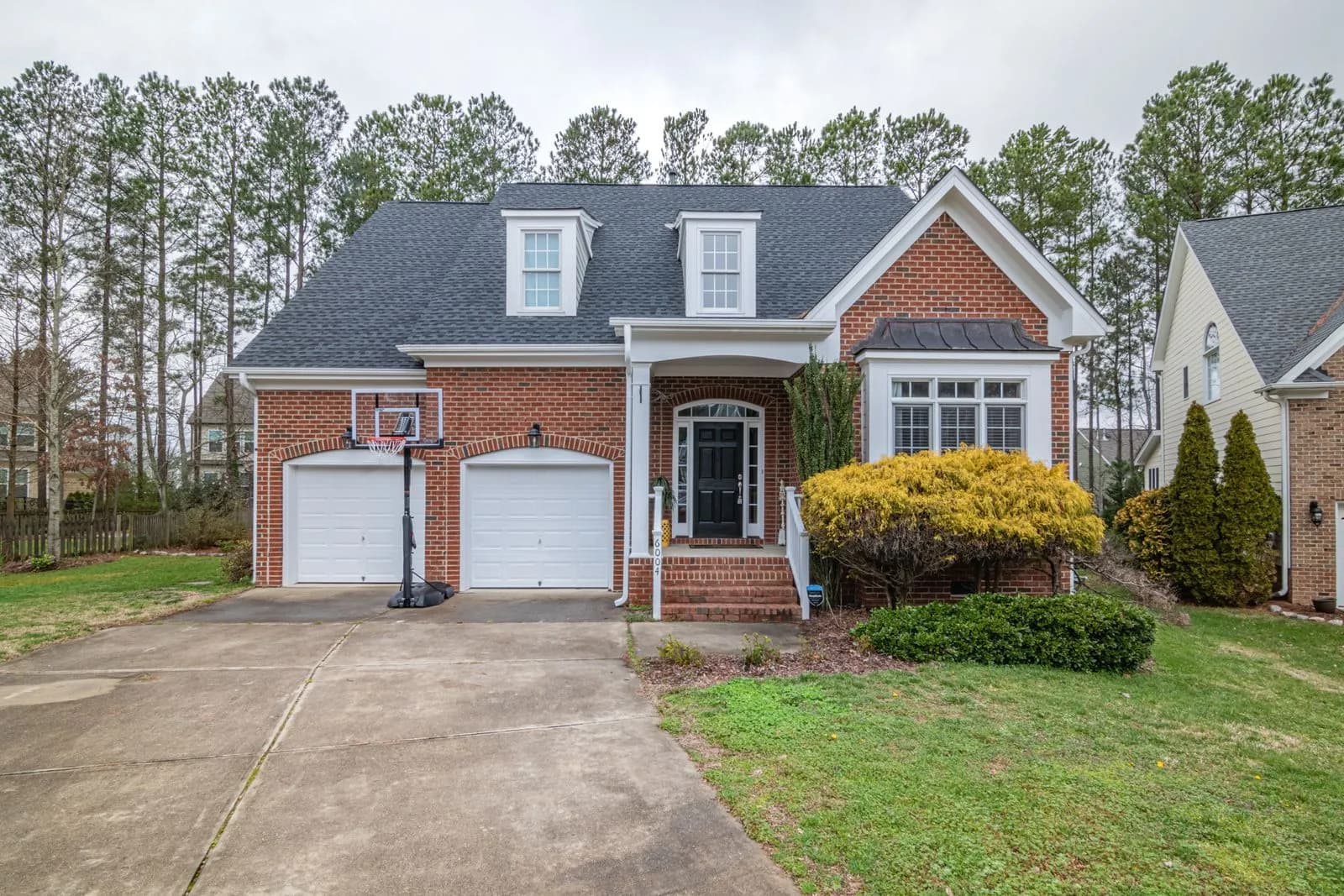
A brick two-story house with a two-car garage under a gray sky.

On this page

  1. The soil holds water against the wall
  2. Three rivers keep the water table up
  3. Downspouts that end at the house
  4. Ground that slopes toward the house
  5. Older block foundations

The soil holds water against the wall

Much of the ground around Fort Wayne is clay. It drains slowly, so after a long rain the soil beside a foundation stays soaked and presses water against the wall.

That pressure finds the weak spots: the floor joint, cracks, and the places where pipes pass through the wall.

Three rivers keep the water table up

The St. Joseph and St. Marys rivers meet here to form the Maumee, and the ground near them is wet for much of the year. A high water table in spring can push water up through the slab.

If your basement leaks in spring but not in fall, this is often the reason.

Water in your basement right now?

Call any time. Tell us where it shows up and we will set up the free inspection.

(260) 297-7955

Downspouts that end at the house

A roof sheds a lot of water in a storm. If the downspout ends beside the foundation, all of that water soaks in right where you do not want it.

Extending each downspout several feet from the wall is one of the cheapest fixes there is.

Ground that slopes toward the house

Over the years, soil settles and mulch builds up. Where the ground slopes back toward the wall, rain runs to the foundation instead of away from it.

A walk around the house after a storm will show you where the water goes.

Older block foundations

Block walls have more joints than poured concrete, and the mortar between them ages. Cracks that follow the mortar lines often start as seepage.

Newer subdivisions are not immune: fill soil around a new foundation settles and can create the same low spots.
More basement notes

  • A concrete wall with cracked and patched plaster.
    6 min readWhat actually changes the price of basement waterproofing
  • A concrete wall with a rough, patched surface.
    5 min readQuestions worth asking before you sign a waterproofing contract

Get a free inspection

We look at the basement, explain what we find and give you a written estimate.

(260) 297-7955

Free inspection and a written estimate