Loading this page…
A crack in the basement wall that weeps after rain
Some cracks are only cosmetic. Others let water in every spring. We tell you which one you have before anything is sealed.
Not every crack is the same job
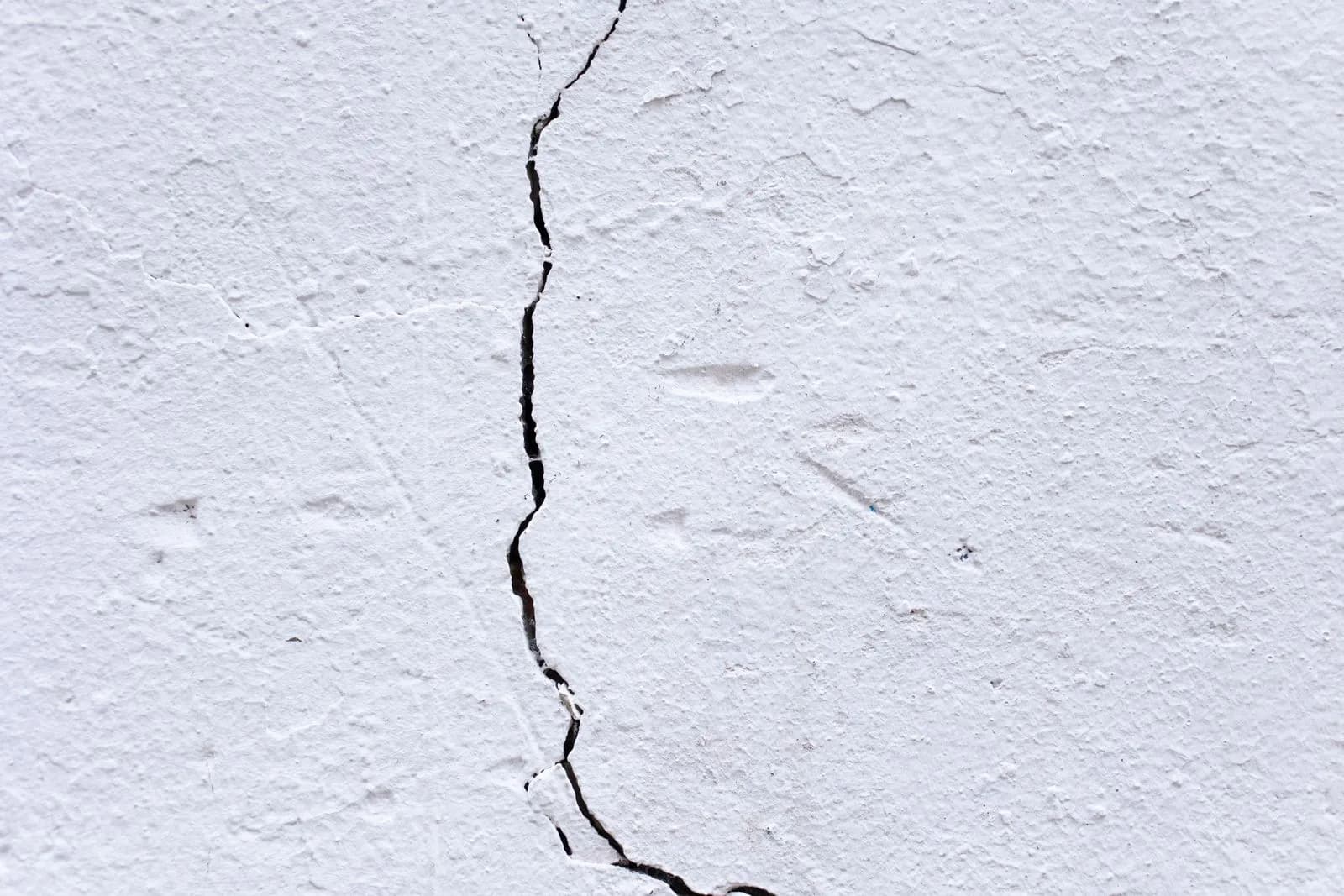
A thin vertical crack in a poured wall is common as concrete cures. A stair-step crack through block, or a horizontal crack across the middle of a wall, can mean the soil is pushing on it. Those need a closer look.
We check the crack along its full length, see whether it is dry or damp, and whether the wall has moved. If sealing will hold, we seal it from the inside. If the wall is moving, we say so and explain the options.
Watch for
- A crack that is dry in summer and damp after rain
- A stair-step line through the mortar of a block wall
- A horizontal crack near the middle of the wall
- A crack that has grown wider since you last looked
How the job goes
Every job starts with a free inspection
You see the plan and the estimate in writing before anyone cuts or digs.
- 1Look and measureWe trace the crack, check both sides of it for movement and note where the water follows it.
- 2ExplainYou hear what kind of crack it is and whether sealing is the right fix, in writing.
- 3SealThe crack is cleaned and filled from the inside with a flexible material that moves with the wall.
- 4CheckWe re-inspect the repair and show you what to watch over the next wet season.
What the work includes
Full-length inspection
Both walls of the crack and the floor around it, not just the part that is wet.
Clean preparation
Loose material is cleared so the repair bonds.
Flexible sealing
A material that stays sealed as the wall expands and contracts with the seasons.
A plain report
What the crack is, what we did, and what would change our advice.
Questions about this job
Is a hairline crack a problem?
Usually not by itself. If it stays dry after heavy rain and does not change, it can be left alone and watched.
How do I know if the wall is moving?
A crack that widens, a wall that bows inward, or a door upstairs that starts to stick are reasons to call. We measure to confirm.
Will the repair be visible?
A small bead of sealant shows on the wall. It can be painted once it has cured, and walls that will be finished can be covered.
Related basement work
Book the free inspection
Tell us where the water shows up and what town you are in. We look first, then give you a written estimate.
(260) 297-7955
Free inspection and a written estimate